KAJEM
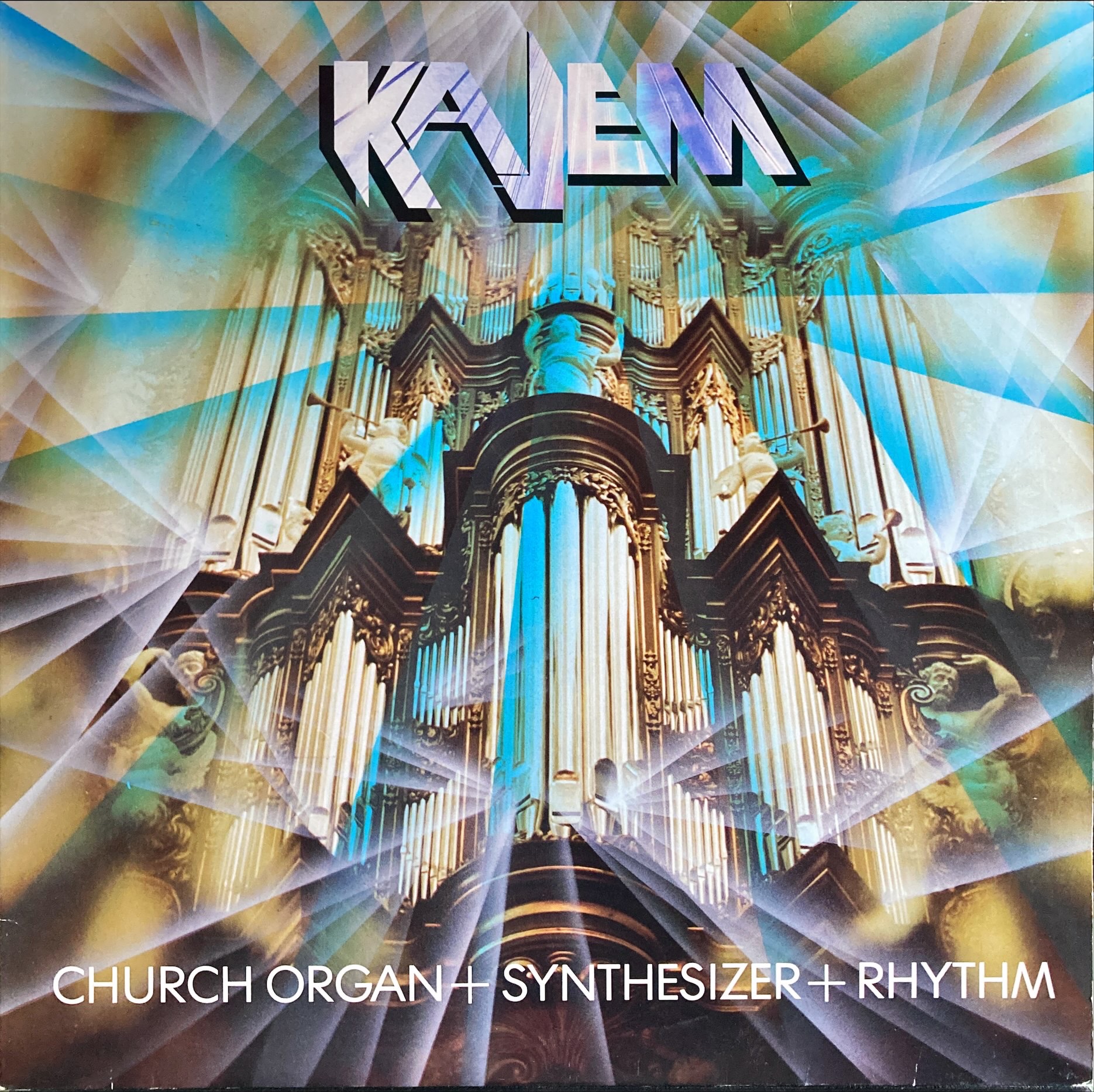


🎺 Collaboration between Klaas Jan Mulder, Rende Brouwer & the Brouwer Brothers
The collaboration between Klaas Jan Mulder, Rende Brouwer, and the trumpet duo the Brouwer Brothers played a significant role in the development and production of the KAJEM project during the 1980s and 1990s. Below is a complete historical overview.
🎼 Origins of the Collaboration with Klaas Jan Mulder
The collaboration between Mulder and the Brouwers emerged within the Dutch Christian music scene and the country’s organ concert tradition.
This environment formed the natural foundation for their musical partnership and later joint projects.
🎧 Role of Rende Brouwer within KAJEM
Within KAJEM, Rende Brouwer held a much more substantial role than is often assumed.
He acted as:
Producer
Arranger
Composer
Musical coordinator
For example, on the album KAJEM – Play Bach (1993), he contributed as both producer and arranger.
In addition, he created arrangements of classical works that became part of the KAJEM repertoire.
📜 Historical Significance
The collaboration between Mulder, KAJEM, and the Brouwers is important because they:
Made organ music more accessible to a broader audience
Combined classical music with light (popular) music
Modernized the tradition of organ and trumpet performance
• Played a major role in Dutch Christian music culture between 1975 and 1995
🎧 The Role of Rende Brouwer in the “KAJEM Sound”
The role of Rende Brouwer in shaping the sound of KAJEM is often underestimated. Many descriptions focus primarily on Klaas Jan Mulder as soloist and figurehead, but behind the scenes Brouwer had a clear influence on musical direction, production, and arrangements.
Below is a deeper look at this “hidden role.”
🎼 1. Musical Bridge Between Church Organ and Band
Mulder’s background was rooted primarily in the traditional organ culture.
Brouwer, by contrast, came from a more practical, performance-oriented musical environment, including:
Trumpet
Light (popular) music
Studio recording
Ensemble arranging
Brouwer played a key role in translating classical organ works into band arrangements that functioned effectively with drums, bass, and synthesizers.
A defining feature of KAJEM arrangements is that the melody always remains dominant.
🎚️ Production and Arrangement Approach
In KAJEM productions, Brouwer was involved in:
Arrangement preparation
Studio planning
Musician direction
Broad, lyrical melodic structures
Clear phrasing
This was essential, as KAJEM productions were technically complex:
Church organ + band + synthesizers + acoustic space
Producers with solid studio experience were therefore crucial.
🎶 Repertoire Selection
The repertoire performed by KAJEM typically consisted of melodically recognizable classical works that:
Feature a clear, memorable melody
Translate effectively into an instrumental pop setting
Offer strong dramatic development
Such choices are characteristic of arrangers and producers.
🎤 Audience-Oriented Approach
Mulder was a virtuoso organist, but Brouwer had a strong sense of audience engagement.
This is reflected in:
Clear rhythmic structures
Strong, well-defined finales
Recognizable melodies
Relatively concise pieces
🇳🇱 The “Dutch Sound”
An interesting detail is that KAJEM does not resemble American symphonic rock or British crossover styles. Instead, it reflects a distinctly Dutch identity, combining:
Dutch organ tradition
Light orchestral music
Religious melodic influences
📜 In Summary
Mulder was the public face and virtuoso, while Brouwer played a decisive role in shaping the musical concept and overall sound of KAJEM.
🎧 Recording Organ + Band in a Church (KAJEM Context)
Recording organ and band in a church—such as in KAJEM productions around Klaas Jan Mulder and producer/arranger Rende Brouwer—was technically highly complex.
In the 1980s and early 1990s, engineers had to combine a massive pipe organ with a modern rhythm section and synthesizers in an acoustic space with enormous reverberation.
🎚️ Monitoring for Musicians
A major challenge was timing.
The organist was often positioned far from the band. Due to the natural reverberation, maintaining tight ensemble playing could be difficult.
🎛️ Mixing (The Most Critical Phase)
The real magic happened in the studio.
There, engineers would:
Preserve the natural reverberation of the organ
Mix the band more “dry” (with less reverb)
Add controlled reverb to the band where needed
This process created the characteristic KAJEM sound:
Spacious and grand, yet rhythmically tight
🔊 Typical Sonic Result
This technique produced a sound that:
Feels large and ecclesiastical
Remains tight and structured like pop music
This is clearly audible in productions associated with Klaas Jan Mulder.
💻 Then vs. Now
Today, producers can:
Use digital multitrack recording
Apply impulse responses of real churches
Simulate organs
In the 1980s, however, everything had to be achieved physically within the space itself.